

Travel Recommendations
1.Shaanxi History Museum
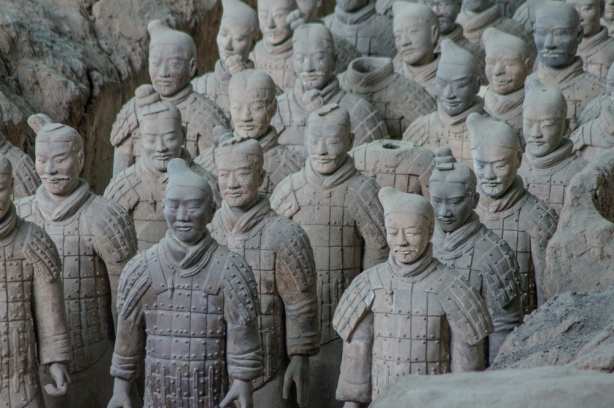
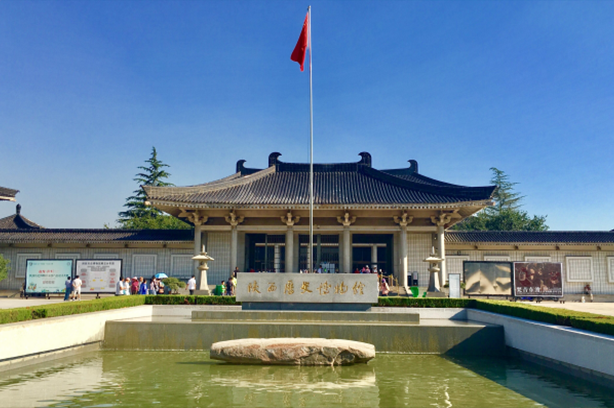
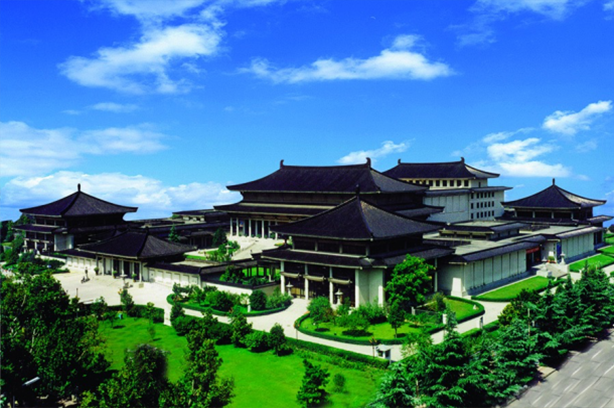
Shaanxi History Museum is located in the southern suburbs of Xi'an Tang Giant Wild Goose Pagoda on the northwest side, built in 1983, inaugurated and opened on June 20, 1991, is China's first large-scale modern national museum, its completion marks the Chinese museum industry into a new development milestone. This building is a Tang style building complex of "central hall and four corner lofty buildings", the main and secondary are orderly, the height is staggered, the momentum is majestic and solemn, and it integrates national traditions, local characteristics and the spirit of the times. The museum covers an area of 65,000 square meters, with a construction area of 55,600 square meters, a collection area of 8,000 square meters, an exhibition hall area of 11,000 square meters, and a collection of more than 170 pieces (groups) of collections, starting from simple stone tools used by ancient human beings, down to all kinds of witnesses of contemporary social life, with a time span of more than one million years, not only a large number and a complete variety, but also high grade and wide value. In these dazzling areasAmong the dazzling collections, there are especially elegant and solemn Shang and Zhou bronzes that witness the civilization of ritual music; Thousands of postures, showing the colorful life of the past generations of terracotta figurines; exquisite and exquisite Han and Tang dynasty gold and silver wares; And the unparalleled and unique Tang tomb murals are the most distinctive.
2.Giant Wild Goose Pagoda & Daci'en Temple
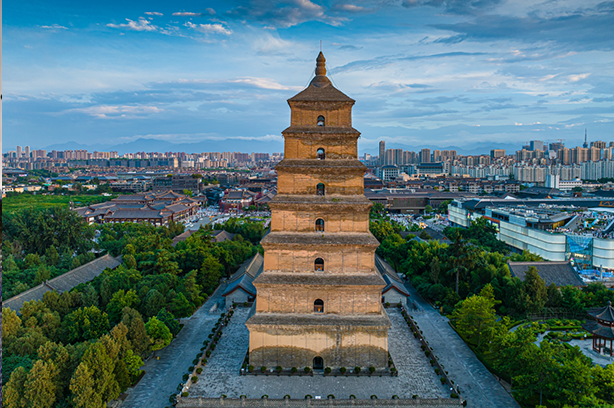
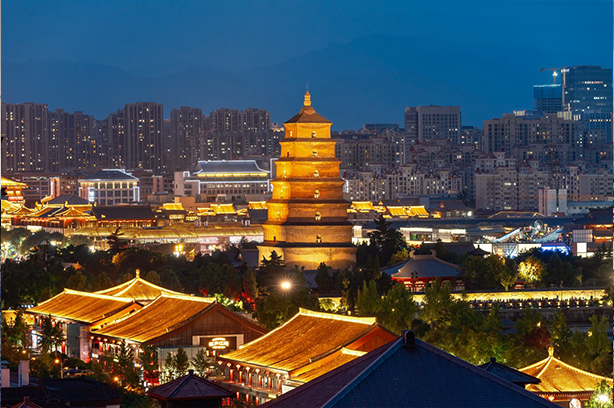
The Giant Wild Goose Pagoda is located in Jinchangfang of the Tang‑dynasty Chang'an City (now south of Xi'an, Shaanxi Province), inside the Great Mercy and Grace Temple. It is also known as the "Cien Temple Pagoda".
Built in the 3rd year of the Yonghui reign of the Tang Dynasty (652 AD), the pagoda was presided over by Xuanzang. He aimed to preserve the Buddhist scriptures and statues he brought back to Chang'an from Tianzhu (ancient India) via the Silk Road. Initially built with five storeys, it was later expanded to nine. After several adjustments to its storeys and height, it was finally fixed as a seven‑storey tower, standing 64.517 meters high with a base side length of 25.5 meters.
As the earliest and largest surviving square pavilion‑style brick pagoda of the Tang Dynasty, the Giant Wild Goose Pagoda represents the stupa architectural form of ancient Indian Buddhist temples. Introduced to the Central Plains with the spread of Buddhism, it integrates Chinese traditional culture, serving as typical architectural evidence and a landmark embodying the wisdom of ancient Chinese working people.
3.Xi'an City Wall
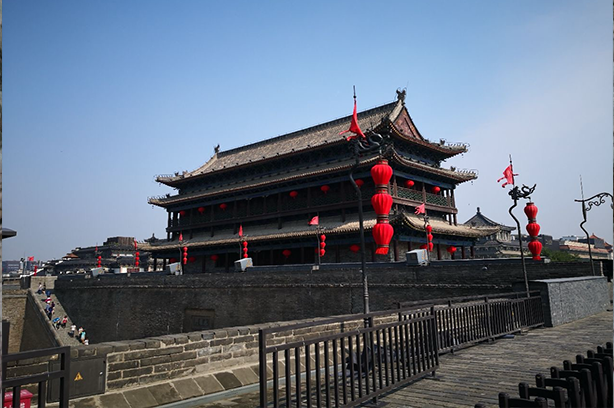
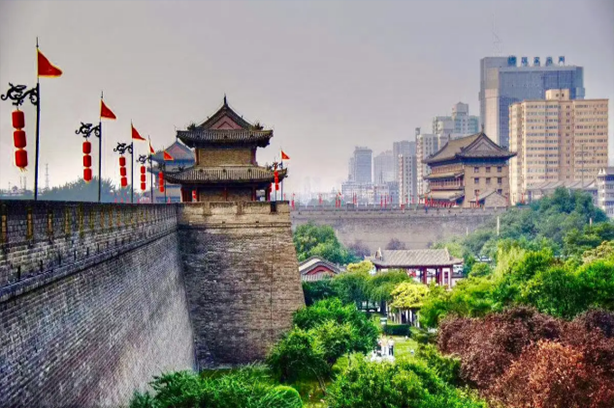
As the largest and best-preserved ancient city wall of the Ming Dynasty in China, the Xi'an City Wall has long been an iconic landmark of the ancient capital. You can stroll along the blue-brick paths or cycle around the wall, enjoying distant views of the Bell and Drum Towers and crisscrossing ancient streets. Amid the blend of ancient and modern urban landscapes, you will feel the calm grandeur and historical heritage of Chang'an over thousands of years.
4.Mausoleum Museum of the First Emperor of Qin
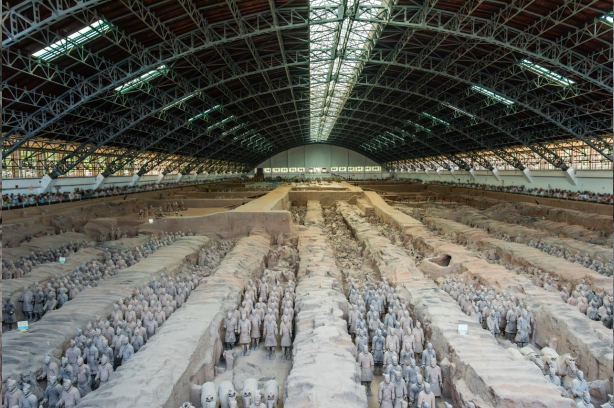
Located in Lintong District, Xi'an City, Shaanxi Province, the Mausoleum Museum of the First Emperor of Qin is a large-scale site museum based on the Terracotta Warriors and Horses Museum and relying on the Mausoleum of the First Emperor of the Qin Dynasty (Lishan Park); It is also a public cultural space with the Mausoleum of the First Qin Emperor and its many burial pits as the main body, based on the protection and display of the archaeological site itself and its environment, integrating education, scientific research, sightseeing, leisure and other functions. In 2007, the Mausoleum Museum of the First Emperor of Qin was awarded the first batch of national AAAAA tourist attractions, including the Terracotta Warriors and Horses Museum and Lishan Garden. The two attractions are 2,200 meters apart, and visitors can take a free tour bus to and fro.
Local Specialties
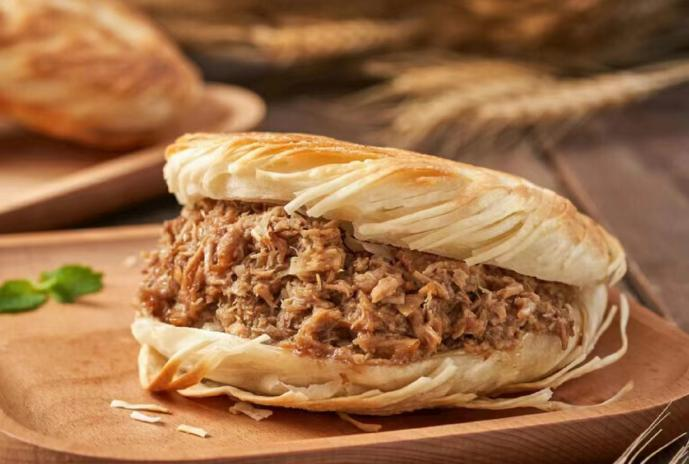
1. Roujiamo (Chinese Hamburger)
Undoubtedly Xi'an's most iconic snack. Selected pork is slowly stewed until tender and flavorful, fatty but not greasy, lean but not dry. The Baijiamo flatbread is charcoal‑baked to be crispy outside and soft inside. The combination of meaty and wheaty flavors delivers a satisfying taste in every bite, widely known as the "Chinese hamburger".
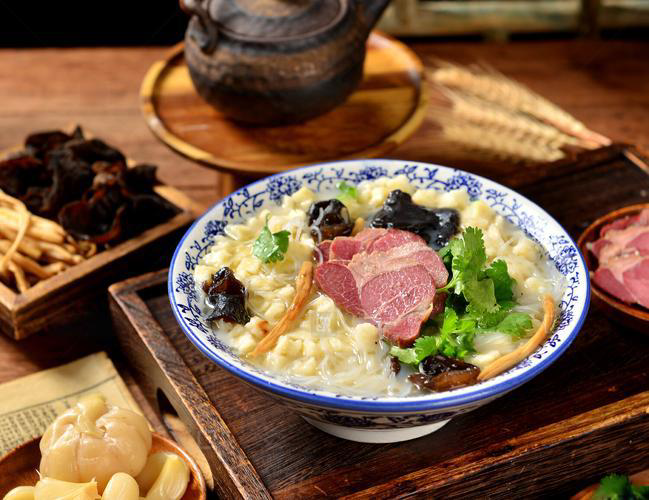
2. Pita Bread Soaked in Lamb / Beef Soup
The most representative traditional food in Shaanxi. Hand-torn pita bread is soaked in rich, mellow soup, served with tender lamb or beef, garlic pickles and chili sauce. The soup is fresh, meat tender and bread chewy, warming both stomach and heart — a genuine taste ritual for local Xi'an people.
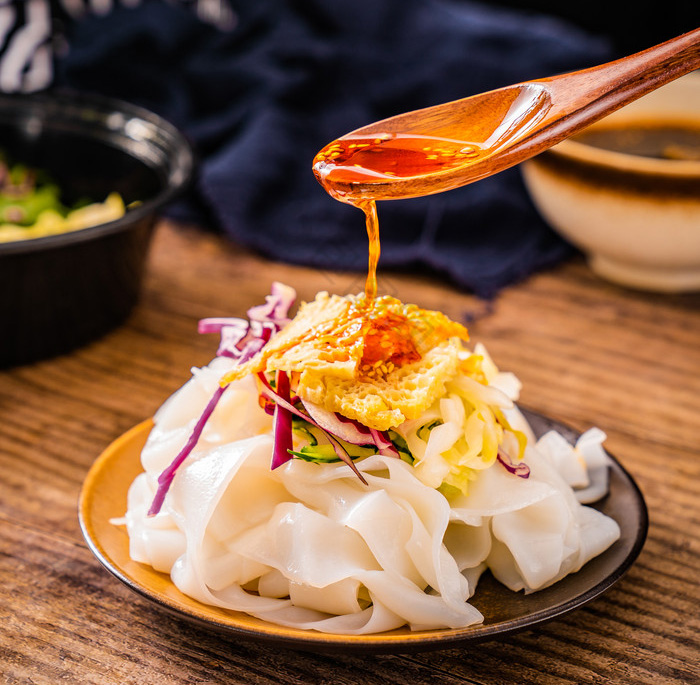
3. Shaanxi Cold Noodles
Smooth, chewy and visually appealing. Served with homemade spicy chili oil, black vinegar, bean sprouts and cucumber shreds, it is spicy, sour, fragrant and refreshing. Whether cooling down in summer or satisfying cravings on ordinary days, it is a classic snack full of Shaanxi character.
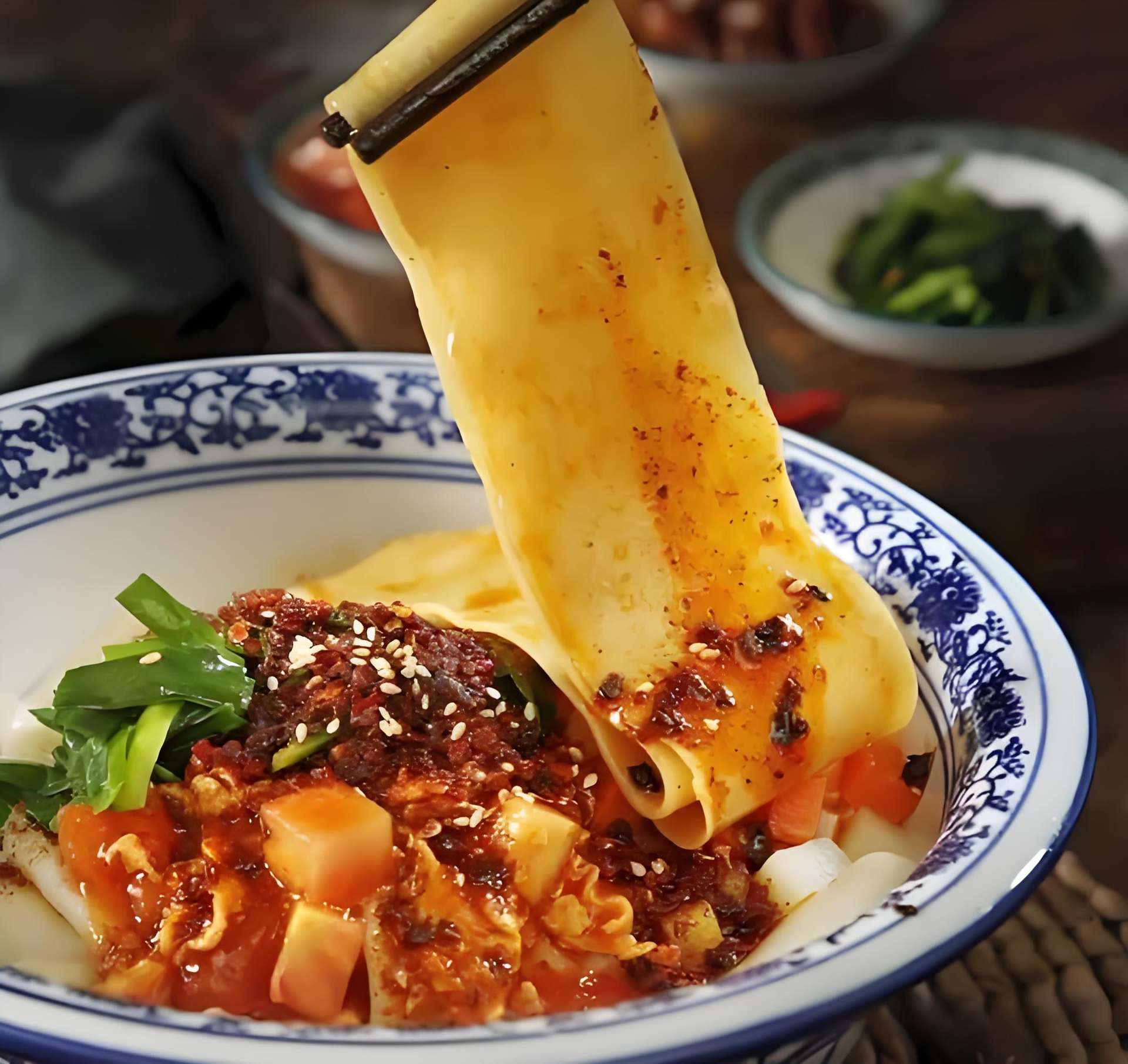
4. Biangbiang Noodles
One of Shaanxi's "Eight Strange Wonders", famous for "noodles as wide as a belt". Hand-pulled noodles are thick, wide and chewy, topped with chili powder fragrant from hot oil, seasoned with soy sauce, vinegar and vegetables. Simple in preparation but rich in aroma, each bite delivers full wheat fragrance and savory oiliness.
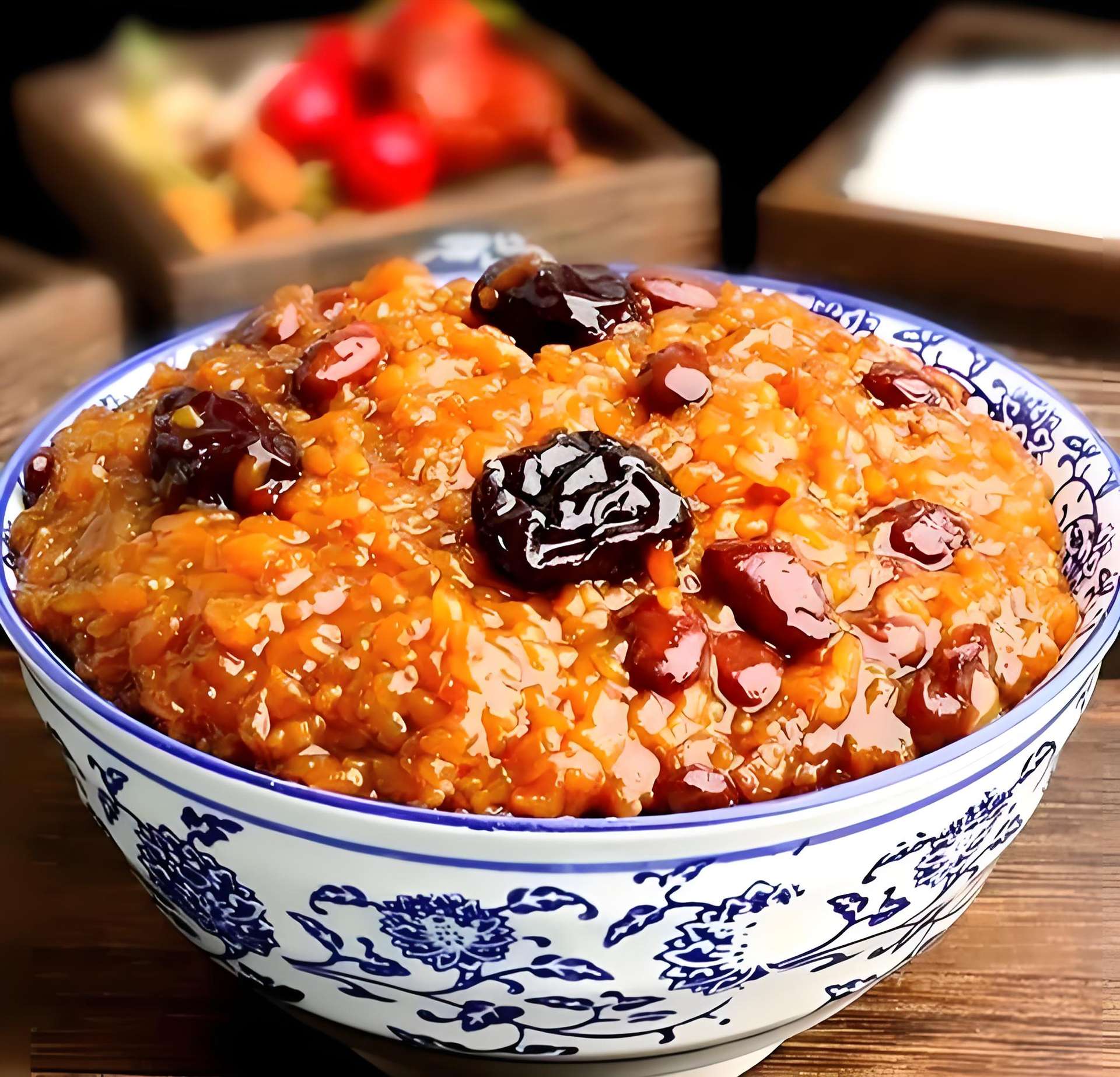
5. Zeng Cake
A traditional Xi'an dessert with a long history. Steamed in layers with glutinous rice, red dates and kidney beans, it is soft, dense, sweet but not cloying, with a strong date fragrance. It is both a beloved breakfast memory for native Xi'an people and a sweet treat not to be missed on every street.
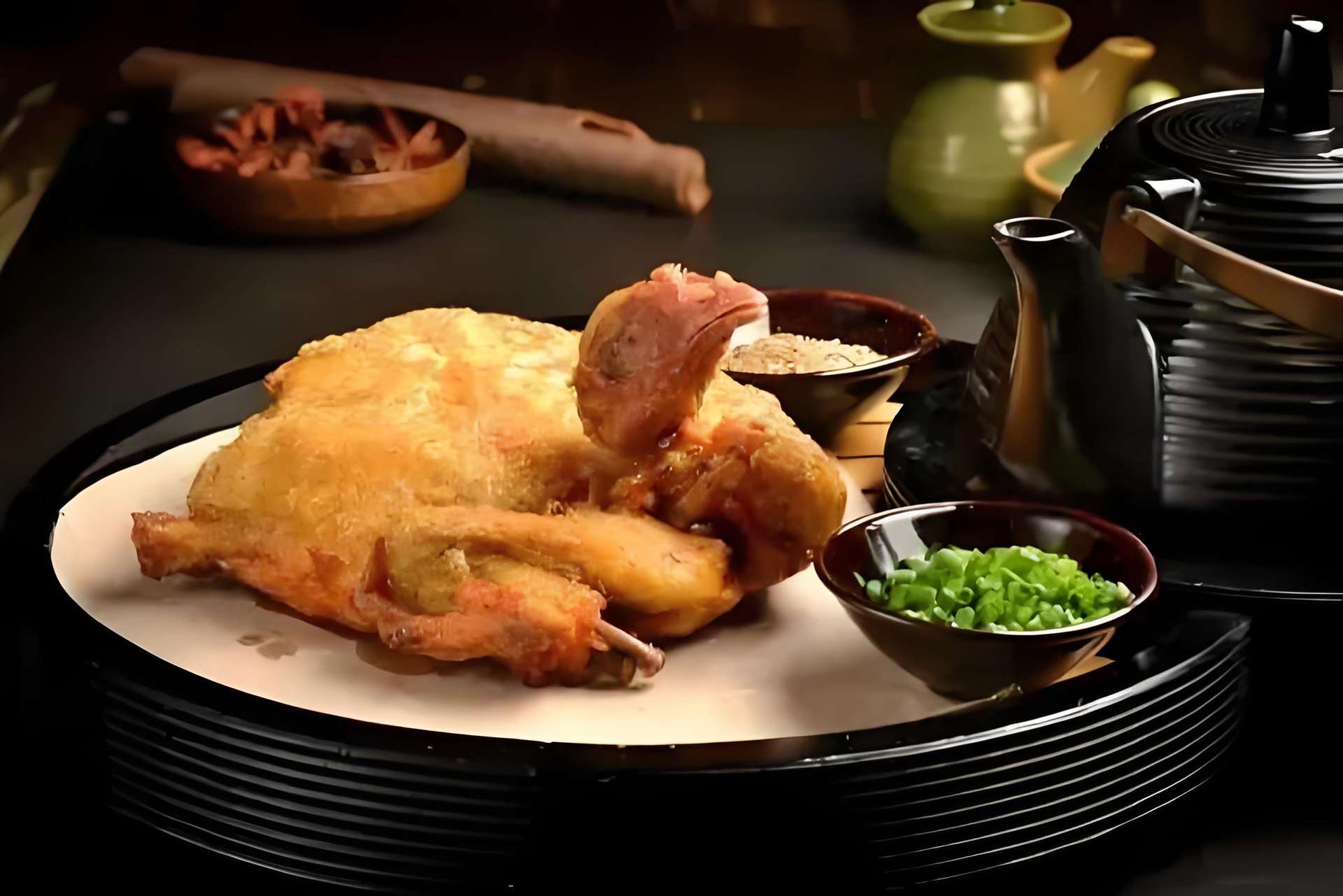
6. Hulu Chicken (Gourd-Shaped Chicken)
A classic Shaanxi dish honored as the "Best Flavor of Chang'an". The whole chicken is prepared through boiling, steaming and frying, resulting in golden crispy skin and tender, juicy meat. Shaped like a gourd and rich in aroma, it is a distinctive local main dish for banquets and gatherings.
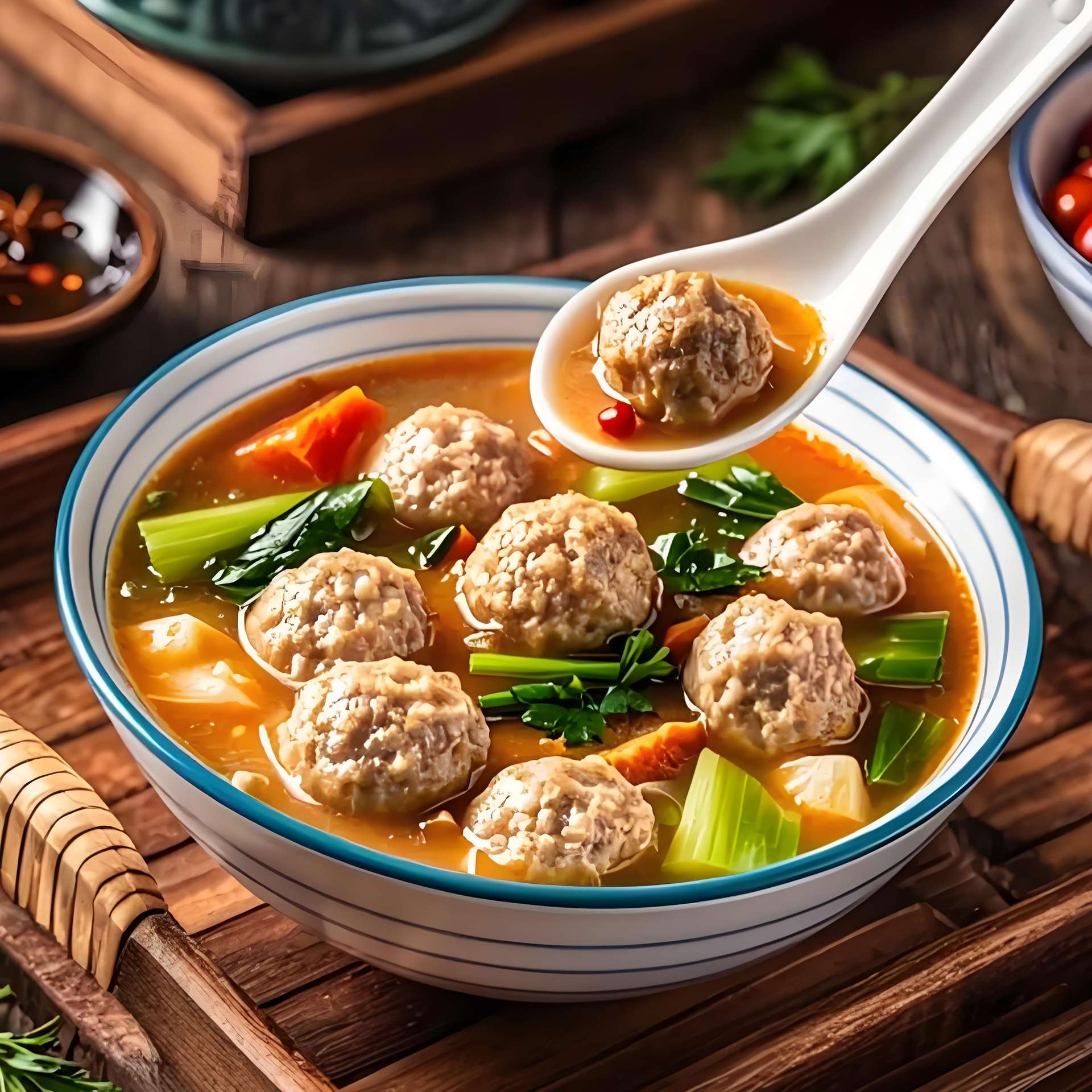
7. Meatball Spicy Soup
A popular street breakfast in Xi'an. Simmered with various vegetables and chewy meatballs, the soup is thick and spicy. Eaten with flatbread or sesame cakes, it warms the stomach and dispels cold, with a rich texture — a beloved local delicacy enjoyed by residents since childhood.





{{ 'en' == 'cn' ? item.name : item.name_en }}
{{ 'en' == 'cn' ? item.desc : item.desc_en }}
Contact us
Secretary Office of the Organizing Committee of RubberCon2027



Address: 19A Fushi Road, Haidian District, Beijing, China
Postcode: 100143
Tel: +86 10 81122673,81122767
E-mail: info@rubbercon2027.com rubber_ciesc@126.com
J ICP B No.14021991-11